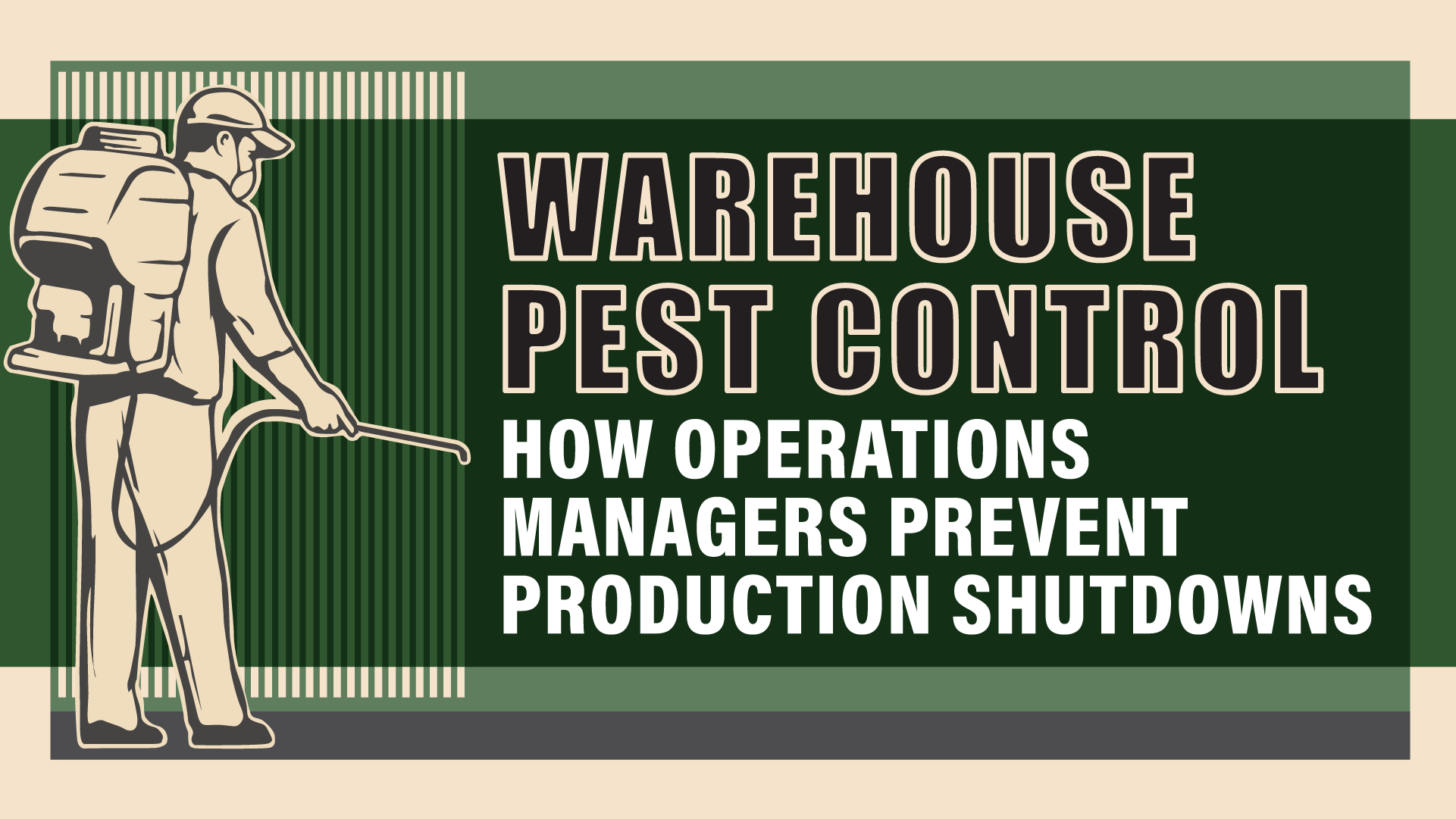
It's 3 AM in a 400,000-square-foot distribution center when a single employee spots a rodent near the loading dock. By 6 AM, the facility manager has called the plant director. By 8 AM, the entire receiving area is offline while an emergency pest control team searches the warehouse. By noon, trucks are backed up, orders are delayed, and the accounting department is tallying the cost of lost productivity.
For operations managers at regional pest control companies serving warehouses, manufacturing facilities, and food storage operations, this scenario isn't hypothetical; it's a constant risk. Unlike homeowners dealing with a roach sighting, facility managers face a binary outcome: either your pest management partner prevents infestations entirely, or they become responsible for millions in downtime, inventory loss, and regulatory fines.
Cube Creative Design works with pest control marketing companies that specialize in industrial operations. We've seen the difference between reactive pest control and proactive prevention. This post explores what operations managers expect from their pest control partners and how regional pest control companies can position themselves as risk mitigation experts, not just service vendors.

Written By: Chad J. Treadway | March 27, 2026
Chad is a Partner and our Chief Smarketing Officer. He will help you survey your small business needs, educating you on your options before suggesting any solution. Chad is passionate about rural marketing in the United States and North Carolina. He also has several certifications through HubSpot to better assist you with your internet and inbound marketing.
Your article starts here. Write your introduction below this line.
Marketing has always been one of the hardest parts of running a small business. It takes time, consistency, and a level of expertise that many founders simply do not have. Most small teams are forced to choose between spending hours on marketing tasks or ignoring them entirely.
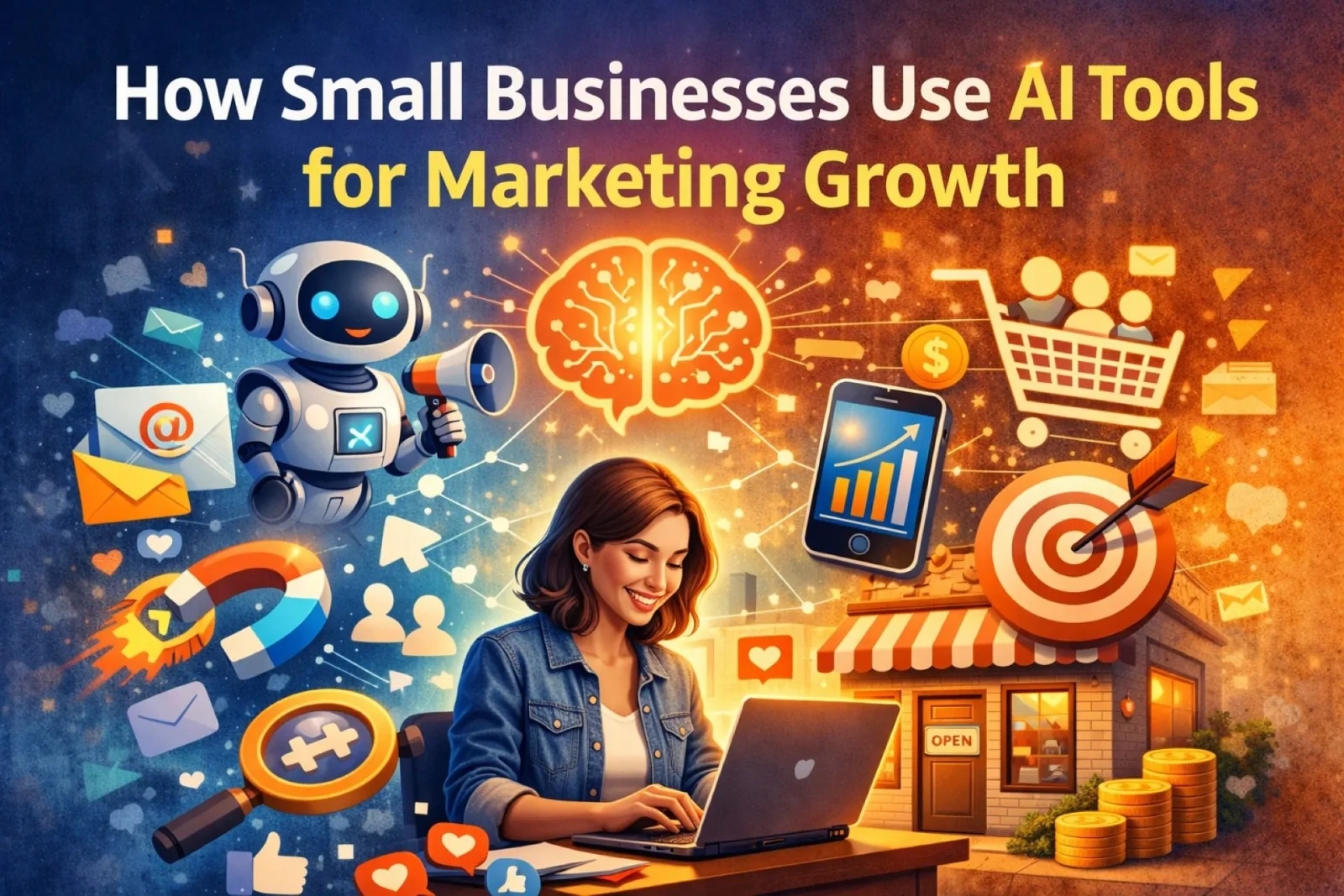
AI is changing that. Instead of doing everything manually, small businesses can now use AI tools to handle content creation, customer outreach, data analysis, and campaign optimization. What used to require an entire marketing team can now be done with a handful of tools and a clear strategy.
The real advantage is not just automation. It is the ability to compete with larger companies without needing the same budget or resources. When used correctly, AI tools can help small businesses move faster, make better decisions, and generate more consistent results.
You know that feeling when you drive past a school and the sign out front says something like "Now Enrolling for Fall 2026" in those removable plastic letters? And you think, "That's trying its best." That sign is doing the work of outdoor advertising. It's just doing it with the marketing equivalent of a flip phone.
Outdoor advertising for schools doesn't have to be complicated or expensive. It just has to be visible, targeted, and consistent. For schools operating on lean budgets, outdoor advertising is often the most overlooked tool in the marketing kit, mostly because people assume "outdoor advertising" means renting a billboard on the highway for $5,000 a month. It doesn't have to mean that at all.
Let's talk about what outdoor advertising actually looks like for a school with more ambition than ad budget, and how to make every dollar of it count.
Written By: Chad J. Treadway | March 27, 2026
Chad is a Partner and our Chief Smarketing Officer. He will help you survey your small business needs, educating you on your options before suggesting any solution. Chad is passionate about rural marketing in the United States and North Carolina. He also has several certifications through HubSpot to better assist you with your internet and inbound marketing.
I'm going to say something that might sound old-fashioned: radio advertising still works. Not "works in a retro, nostalgic kind of way." Works as it generates real awareness, drives real inquiries, and costs less per impression than most digital channels.
Before you dismiss radio as something your parents listened to on the way to their office jobs, consider this: Nielsen reports that 84% of American adults tune into radio every week. That's 225 million people. More than watching network TV. More than scrolling Instagram. Radio is America's number one mass reach medium, and for schools marketing to local families, that local reach is exactly what you need.
Here's when radio makes sense for your school, what it costs, and how to make sure it's not just background noise.
Written By: Chad J. Treadway | March 27, 2026
Chad is a Partner and our Chief Smarketing Officer. He will help you survey your small business needs, educating you on your options before suggesting any solution. Chad is passionate about rural marketing in the United States and North Carolina. He also has several certifications through HubSpot to better assist you with your internet and inbound marketing.