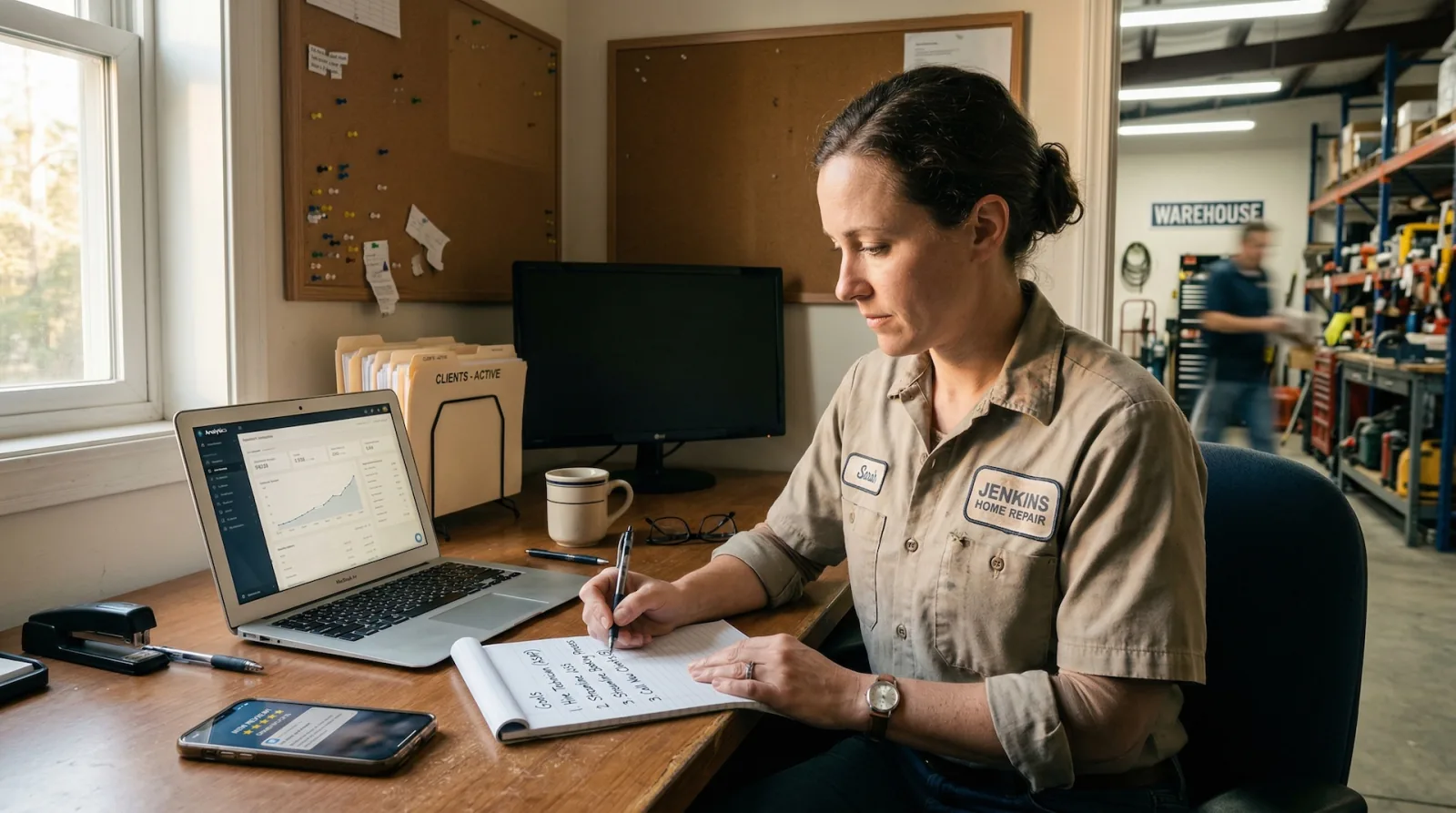
A good budget-friendly growth strategy doesn’t cut corners or do less. It decides what actually moves the business forward, and ignores the rest.
Most small service business growth stalls because effort gets spread thin across too many channels that never had a real shot.
You don’t really need more tools. You need focus.
The upside is already there. Better cash flow. More predictable work. The ability to turn down the wrong clients. But getting there without overspending means making sharper choices with time and energy.
Businesses can grow without increasing spend at all, just by stopping doing things that don’t matter.
Let’s look at how you can be one of them.

Creating content is very easy today. You can use AI tools to generate articles in seconds. Chatbots allow you to pull ideas from multiple sources and publish content at scale. But AI automation comes with some downsides. The first downside is that AI tools write plagiarized content, because they pull information from existing sources and the wording ends up overlapping the original text. The second downside is that the content is repetitive. It lacks engagement and feels robotic to read. And if you’re publishing it on search engines, they can detect the plagiarism and low-quality and penalize your content with low rankings.
AI content can be plagiarized, but avoiding AI tools altogether is not the solution because content written by humans can be plagiarized too.
The solution instead is to rewrite the AI content to remove plagiarism from it. And an easy way to remove plagiarism is through plagiarism remover tools, which is the focus of this article.
Continue reading to learn how these tools work and how they can help you remove plagiarism from content.
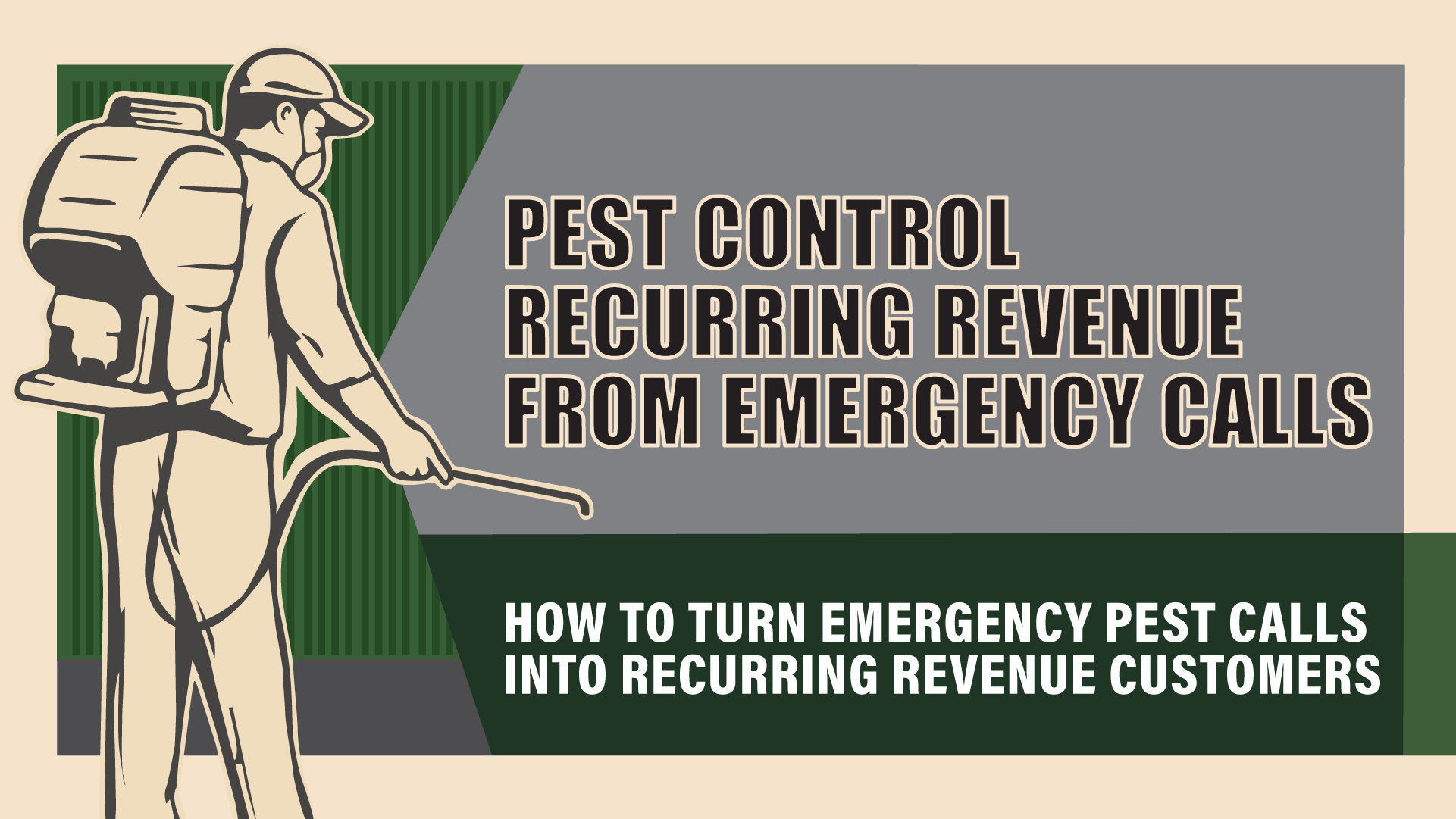
Spring is when the phone starts ringing off the hook. Carpenter ants in the kitchen. Wasps are building a nest over the front door. Termite swarmers in the living room. For pest control companies with a solid reputation, the emergency season is both a gift and a missed opportunity. The gift is obvious: more calls, more revenue, more trucks rolling. The missed opportunity? Most of those emergency customers never call again.
They got their problem solved, they paid the invoice, and they moved on. Meanwhile, the pests didn't. And next spring, that same homeowner calls whoever shows up first on Google, which might be you, or might be your competitor.
The difference between a pest control company that grows steadily and one that rides a revenue roller coaster every year comes down to one thing: what happens after the emergency call. This post covers the systems and strategies that turn one-time callers into recurring service agreement customers.

Written By: Chad J. Treadway | April 10, 2026
Chad is a Partner and our Chief Smarketing Officer. He will help you survey your small business needs, educating you on your options before suggesting any solution. Chad is passionate about rural marketing in the United States and North Carolina. He also has several certifications through HubSpot to better assist you with your internet and inbound marketing.

Your school tracks enrollment. You know how many students you have, how many seats are open, and roughly how many families applied last spring. But here's the question most independent schools aren't asking: do you know why the families who left actually left? And more importantly, could you have seen it coming?
For too many private and independent schools, attrition is treated as a line item on a spreadsheet rather than a diagnostic opportunity. A family withdraws, the admissions team scrambles to fill the seat, and the cycle starts again in September. The problem isn't that schools lose students. Every school does. The problem is that most schools aren't using the data they already have to understand the patterns behind those losses and intervene before the next family walks out the door.
Student retention data is the difference between reacting to attrition and preventing it. And in a sector where recruiting a new family costs significantly more than keeping an existing one, the schools that figure this out first are the ones that stay financially healthy.

Written By: Adam Bennett | April 08, 2026
Adam is the president and founder of Cube Creative Design and specializes in private school marketing. Since starting the business in 2005, he has created individual relationships with clients in Western North Carolina and across the United States. He places great value on the needs, expectations, and goals of the client.